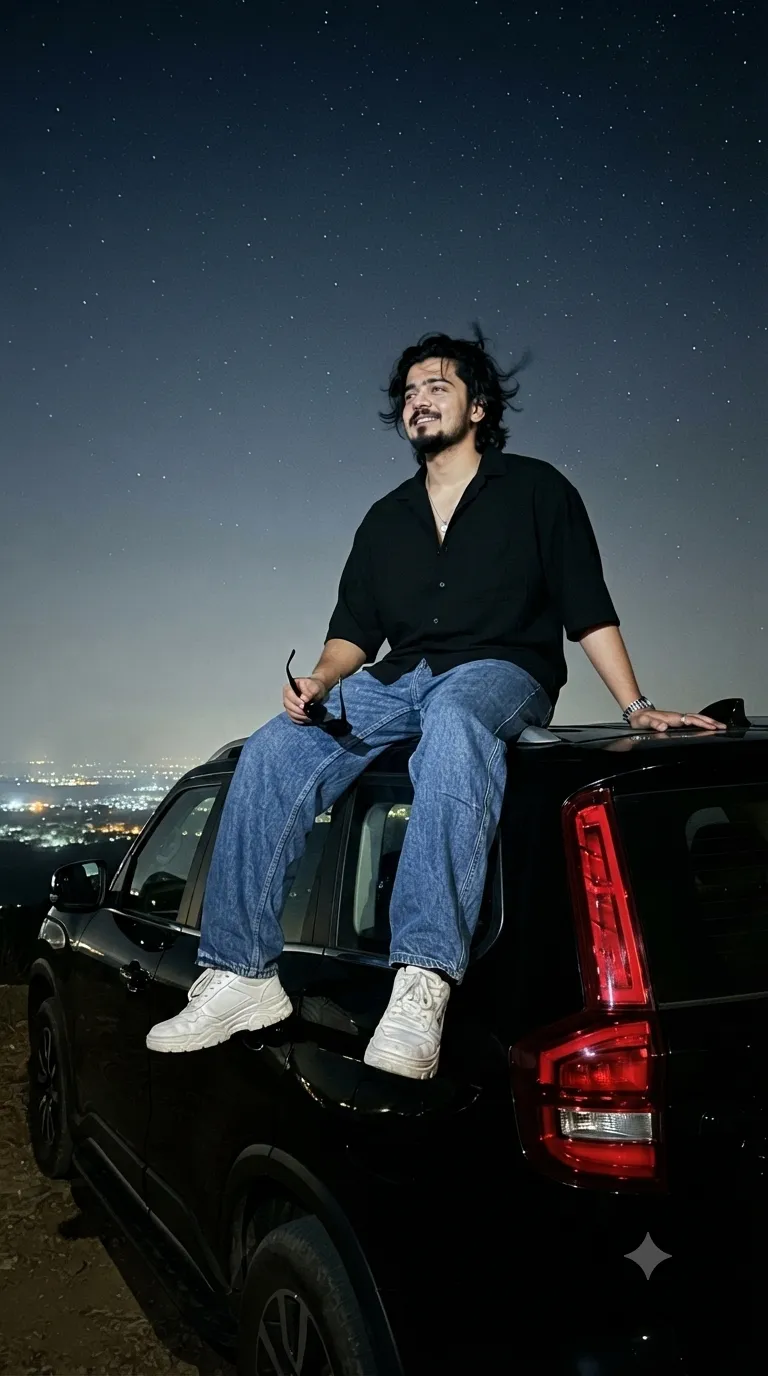
CarFortuner Scorpio Car Prompt
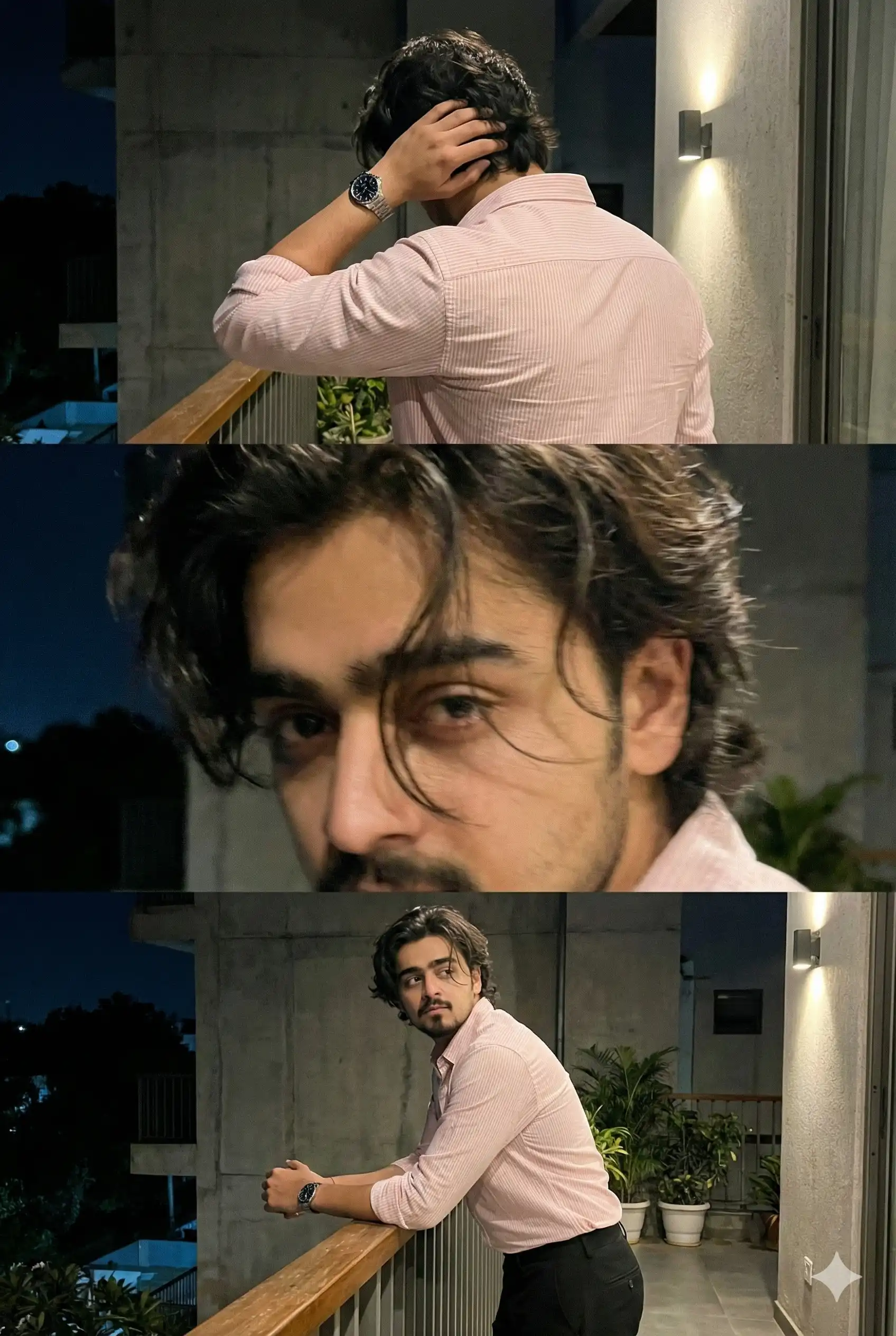
Create an ultra-realistic cinematic DSLR photograph using the subsequently uploaded normal portrait ONLY as the identity reference for the person. The uploaded portrait is the identity source only. Do NOT use it to determine the pose, composition, environment, vehicles, camera angle, lighting, clothing arrangement, or scene. Recreate the following scene independently and match these instructions extremely closely.
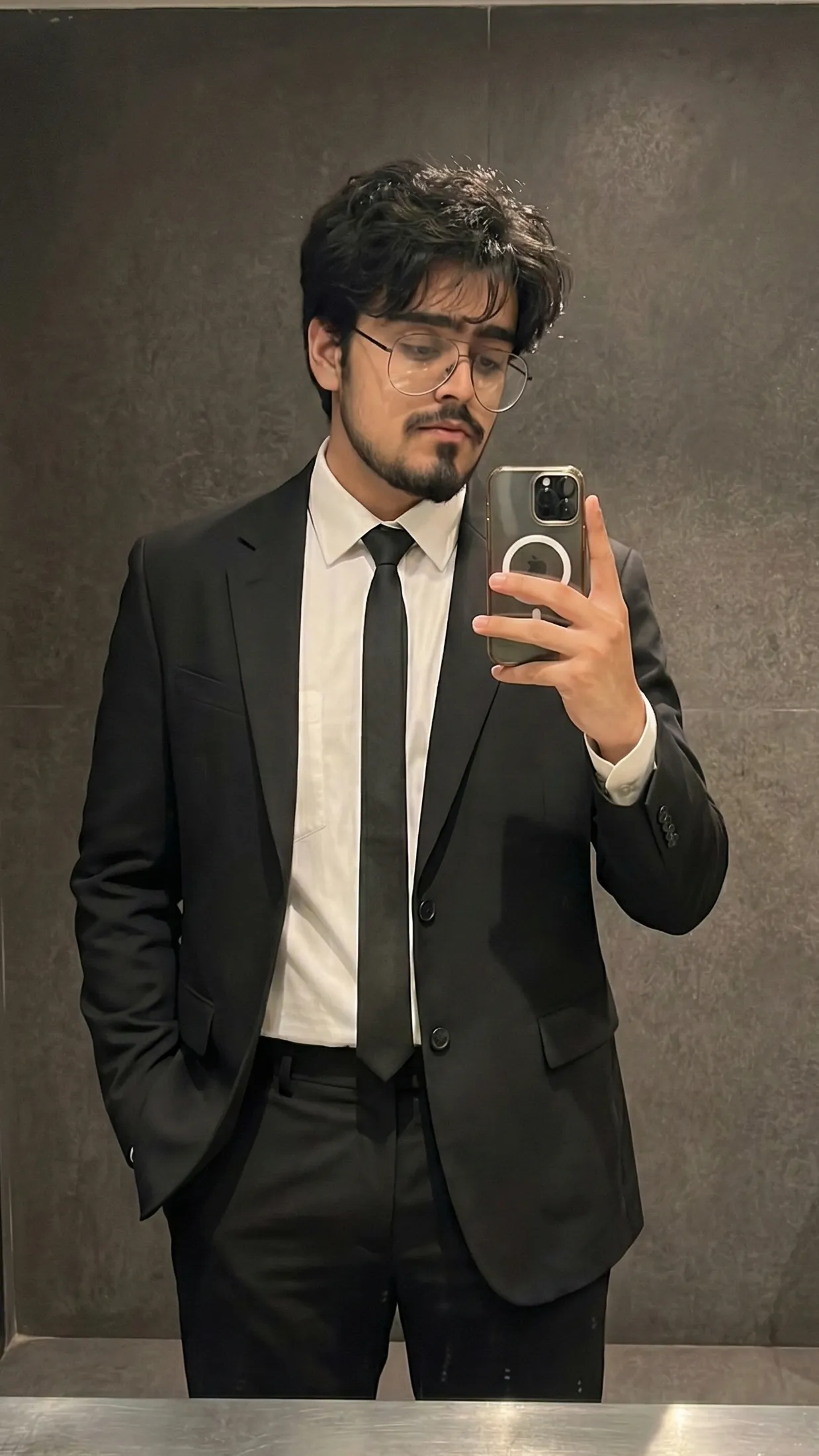
SUBJECT IDENTITY — CRITICAL: Use the person from the subsequently uploaded portrait as the exact same real individual. Preserve their recognizable facial identity, facial proportions, bone structure, jawline, nose, eyes, eyebrows, lips, ears, hairstyle, hairline, skin tone, age, and natural facial asymmetry. Do not beautify, reshape, slim, widen, masculinize, feminize, de-age, age, or replace the face. Keep authentic human skin texture, pores, subtle imperfections, and realistic facial anatomy. The person must look unmistakably like the person in the uploaded portrait, while naturally adopting the pose and styling described below.
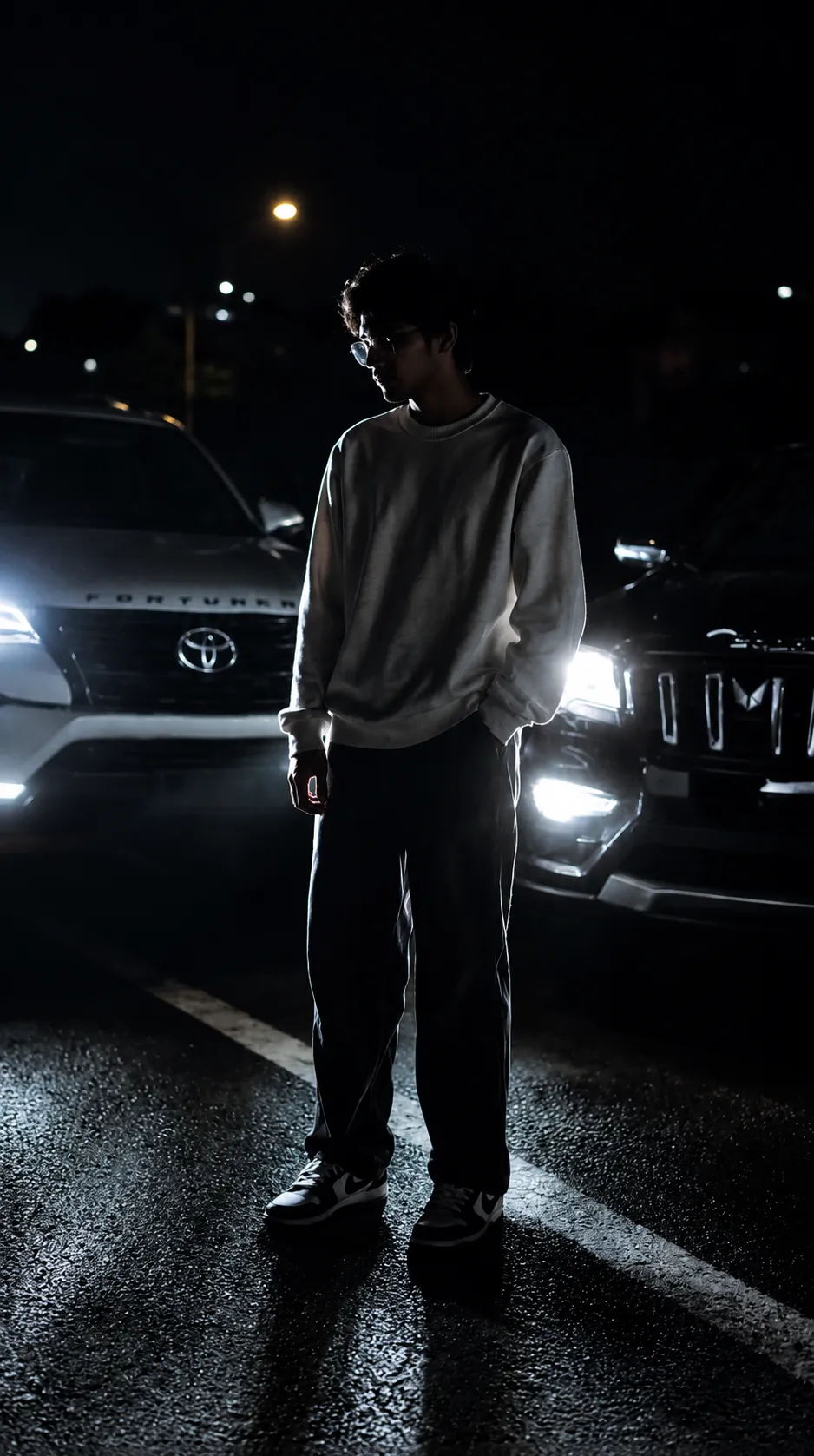
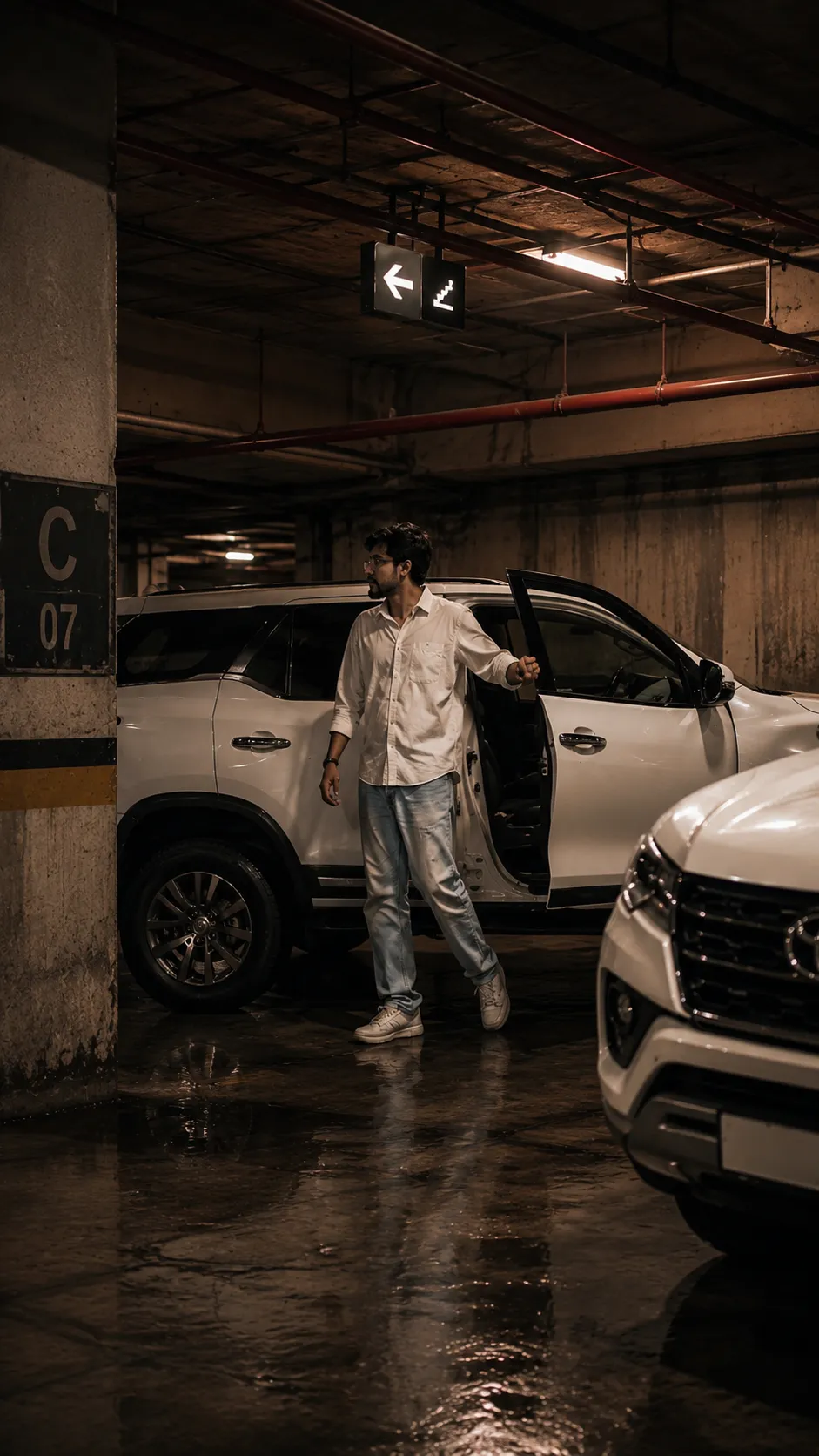
EXACT SCENE: Recreate a nighttime roadside/parking-lot scene exactly in the visual language of the reference. The person is standing between the front ends of TWO large premium SUVs, with the vehicles positioned behind and slightly to either side of the person.
On the LEFT side of the frame, place a WHITE Toyota Fortuner, facing toward the camera at a slight angle. Its front grille, Toyota emblem, headlight shape, bumper, hood and front fascia should be clearly recognizable. The word “FORTUNER” should appear across the front edge of the hood/grille area in the correct physical location and realistic vehicle lettering. The left vehicle's headlights are ON, producing an intense bright beam toward the camera and illuminating the road and the lower portion of the subject.
On the RIGHT side of the frame, place a DARK/BLACK Mahindra Scorpio-N, also facing toward the camera at a slight angle. Preserve its characteristic tall vertical front grille elements, headlight arrangement, front bumper and SUV proportions. Its headlights must also be switched ON, producing strong white illumination toward the camera.
The two SUVs should feel physically large and close behind the person, creating a powerful automotive framing effect. Do not make them tiny or distant.
SUBJECT POSITION: Place the person approximately in the center-right of the frame, standing directly in the gap between the two vehicles. The subject's full body must be visible from head to shoes.
The person is NOT looking at the camera.
HEAD & FACE ORIENTATION: Turn the head toward the LEFT side of the image, approximately in a three-quarter side-profile view. The nose points toward the left vehicle. Eyes look naturally toward the left side rather than toward the camera. Expression is calm, serious, relaxed and slightly contemplative. No smile. Keep the face naturally illuminated by the surrounding vehicle headlights rather than adding artificial studio lighting.
EXACT BODY POSE: Recreate a relaxed standing street-fashion pose.
The torso is mostly upright but naturally relaxed, with a very slight lean/weight shift. The subject's weight is primarily supported by one leg while the opposite leg is relaxed.
The arm on the viewer's RIGHT side is bent at the elbow, with that hand placed naturally inside the front trouser pocket. The elbow points slightly outward and the forearm angles downward toward the pocket.
The arm on the viewer's LEFT side hangs naturally downward beside the body. The hand is relaxed and naturally open/loose near the upper thigh.
Do not pose both hands in pockets.
Keep the shoulders relaxed and slightly uneven rather than perfectly horizontal.
Keep the legs naturally separated. One foot is slightly farther forward/angled than the other, creating the casual asymmetrical stance visible in the reference.
Both shoes must remain completely visible.
Do not make the person stiff, athletic, muscular, exaggeratedly slim, or model-like. Preserve realistic body proportions from the identity reference.
CLOTHING — MATCH THE REFERENCE: Dress the person in an oversized, loose-fitting light-colored sweatshirt/crewneck with long sleeves. The sweatshirt should have a soft cotton/fleece appearance, slightly dropped shoulders, a relaxed oversized torso and natural fabric bunching around the wrists, elbows, waist and stomach.
The sweatshirt should NOT be tucked in.
Use loose, wide/relaxed-fit dark trousers with a straight, slightly baggy silhouette extending naturally down toward the shoes. The trousers should have realistic fabric folds around the knees, thighs, hips and ankles.
The clothing should look like ordinary premium modern streetwear rather than formal fashion.
Use chunky low-top fashion sneakers similar in overall silhouette to the reference, with a predominantly light/dark contrasting design. Preserve realistic laces, sole construction, stitching, leather/textile surfaces and natural dirt/detail. Do not invent exaggerated futuristic shoes.
All clothing must physically interact with the body and gravity correctly.
FRAMING: Use a vertical 9:16 composition.
Frame the image as a full-body environmental portrait. The subject's head should sit around the upper-middle region of the actual photographic frame, with substantial dark negative space above the vehicles and subject. Do not crop the hair, shoulders, hands, legs or shoes.
The bottom of the frame should include a significant amount of asphalt road in front of the subject.
The subject should occupy approximately the central 45–50% of the image height from head to shoes, while the two SUVs occupy the left and right background/side regions.
The vehicles should partially extend beyond the left and right edges of the frame, creating the impression that the camera is positioned close to them.
CAMERA POSITION & ANGLE: Camera positioned low, approximately around the subject's waist-to-lower-chest height, looking very slightly upward. Do not use an extreme low angle.
Use a full-frame professional DSLR/mirrorless camera with a realistic 35mm lens perspective. Maintain natural human proportions and avoid wide-angle distortion.
The camera is positioned several meters in front of the subject, centered approximately toward the gap between the two vehicles.
Keep vertical lines and vehicle geometry realistic. No warped cars, stretched limbs or distorted feet.
The composition should feel like an actual photographer crouched/slightly lowered on a road taking a spontaneous nighttime automotive portrait.
LIGHTING — VERY IMPORTANT: The dominant lighting comes from the TWO vehicle headlights.
The white Fortuner on the LEFT has extremely bright headlights producing strong frontal/side illumination and visible light bloom.
The dark Scorpio-N on the RIGHT also has bright headlights producing intense white light.
The headlights illuminate the subject's lower body, trousers, shoes, sweatshirt edges and nearby asphalt. Light should fall off naturally across the scene.
Create realistic headlight glare and subtle lens bloom, but do not overdo the effect.
The person's face should remain comparatively darker than the sweatshirt and headlights, with soft directional illumination along the visible side of the face and jaw. Preserve facial details instead of completely crushing the face into black.
Add subtle rim light around the subject's silhouette where the headlights pass behind the body.
No studio key light. No visible flash. No artificial colored neon lighting. No sunset lighting. No daylight.
The scene must unmistakably be photographed at night.
ROAD & GROUND: The subject stands on dark asphalt with a clearly visible white painted road/parking lane line.
The white line begins from the lower-middle/foreground region and runs diagonally upward toward the area between/behind the subject and vehicles. It should pass close to and partially beneath the subject's feet exactly like a real parking/road marking.
The asphalt must have highly detailed realistic texture: tiny aggregate, roughness, subtle cracks, tire marks and uneven surface.
Because of the intense headlights, portions of the asphalt should show realistic bright reflections and soft light gradients.
Do NOT make the road look wet like heavy rain. Keep it mostly dry, with only subtle natural reflectivity.
BACKGROUND: Keep the background extremely dark.
Behind the vehicles and subject should be a mostly black nighttime environment with barely visible surroundings. Do not add buildings, city skylines, trees, mountains, street crowds, neon signs or decorative scenery.
Only very faint environmental shapes and tiny distant points of light may be visible in the darkness.
The darkness is an important part of the composition.
ATMOSPHERE: Create subtle nighttime atmospheric depth around the headlights. The brightest areas around the lamps should have natural optical bloom and slight haze caused by intense headlights interacting with nighttime air.
Keep the rest of the atmosphere clean and dark.
No heavy fog. No smoke. No dramatic artificial mist.
BLACK-AND-WHITE PHOTOGRAPHIC TREATMENT: Render the entire final image in rich monochrome black and white.
Use deep blacks in the sky/background and vehicle shadows, bright whites in the headlights and sweatshirt, and detailed gray midtones across the skin, trousers, vehicles and asphalt.
The monochrome treatment should resemble a professionally edited high-end DSLR photograph, NOT a simple phone-app black-and-white filter.
Preserve fine grayscale detail in the person's face, hair, sweatshirt fabric, trousers, shoes, vehicle paint, grille and asphalt.
Use strong but realistic contrast with controlled highlight roll-off.
HAIR: Preserve the person's authentic hairstyle from the uploaded identity portrait while naturally adapting it to the pose and lighting. Individual hair strands should remain visible where illuminated. Hair should have realistic volume and natural shadows.
SKIN: Natural human skin texture with visible pores and subtle tonal variation. No plastic skin, excessive smoothing, beauty filter, airbrushing or artificial facial sharpening.
VEHICLE REALISM: Both SUVs must be physically accurate real-world vehicles with correct proportions, panel gaps, headlights, grilles, mirrors, bumpers, tires and reflections.
The white Toyota Fortuner on the LEFT should have realistic white metallic/paint reflections and the recognizable Toyota front design.
The dark Mahindra Scorpio-N on the RIGHT should have realistic dark paint reflections and its recognizable front-end geometry.
Headlights must originate physically from the vehicle headlamp assemblies. Do not create floating lights.
Ensure the cars do not overlap the person's body incorrectly. The person must appear physically standing in front of/between the vehicles with believable distance and contact shadows.
DEPTH OF FIELD: Use moderate shallow depth of field typical of a real 35mm full-frame nighttime environmental portrait.
Keep the subject sharply resolved, especially face, hair, sweatshirt texture, trousers and shoes.
Keep the closest visible vehicle details reasonably sharp while allowing the farthest dark background to naturally fall into softness and darkness.
Do not create an exaggerated artificial portrait-mode blur.
OPTICAL CHARACTER: Professional full-frame DSLR/mirrorless image. 35mm prime lens aesthetic. Natural perspective. Realistic low-light exposure. High dynamic range. Natural highlight clipping around extremely bright headlights. Subtle realistic lens flare/bloom. Fine photographic grain. Sharp but not digitally oversharpened. Natural motion-freezing shutter speed. Realistic exposure falloff.
FINAL IMAGE: The final photograph should look as though a professional photographer physically stood on the road at night and captured the person casually posing between a white Toyota Fortuner and a dark Mahindra Scorpio-N with both headlights turned on.
The composition, subject placement, head direction, hand positions, leg stance, vehicle positions, road marking, darkness, headlight illumination, low camera perspective, full-body framing, monochrome grading and overall mood should closely match the described reference.
The result must be indistinguishable from a genuine high-end DSLR photograph of a real person in a real location.
NEGATIVE INSTRUCTIONS: No AI-generated appearance, no CGI, no 3D render, no illustration, no painting, no cartoon, no anime, no plastic skin, no beauty filter, no altered facial identity, no facial reshaping, no extra fingers, no malformed hands, no extra limbs, no duplicated person, no duplicated vehicles, no warped cars, no floating objects, no unnatural reflections, no incorrect vehicle geometry, no daylight, no sunset, no neon lighting, no colored lighting, no excessive fog, no excessive lens flare, no fake bokeh, no extreme wide-angle distortion, no fisheye distortion, no cropped feet, no cropped head, no text overlays, no emojis, no watermark, no UI elements, no social-media interface.
Aspect ratio: 9:16 vertical. Style: ultra-realistic cinematic monochrome DSLR automotive street photography. Quality: professional full-frame photographic realism, extremely detailed natural textures, physically accurate lighting and environmental integration.
Create image now. Create image pls.
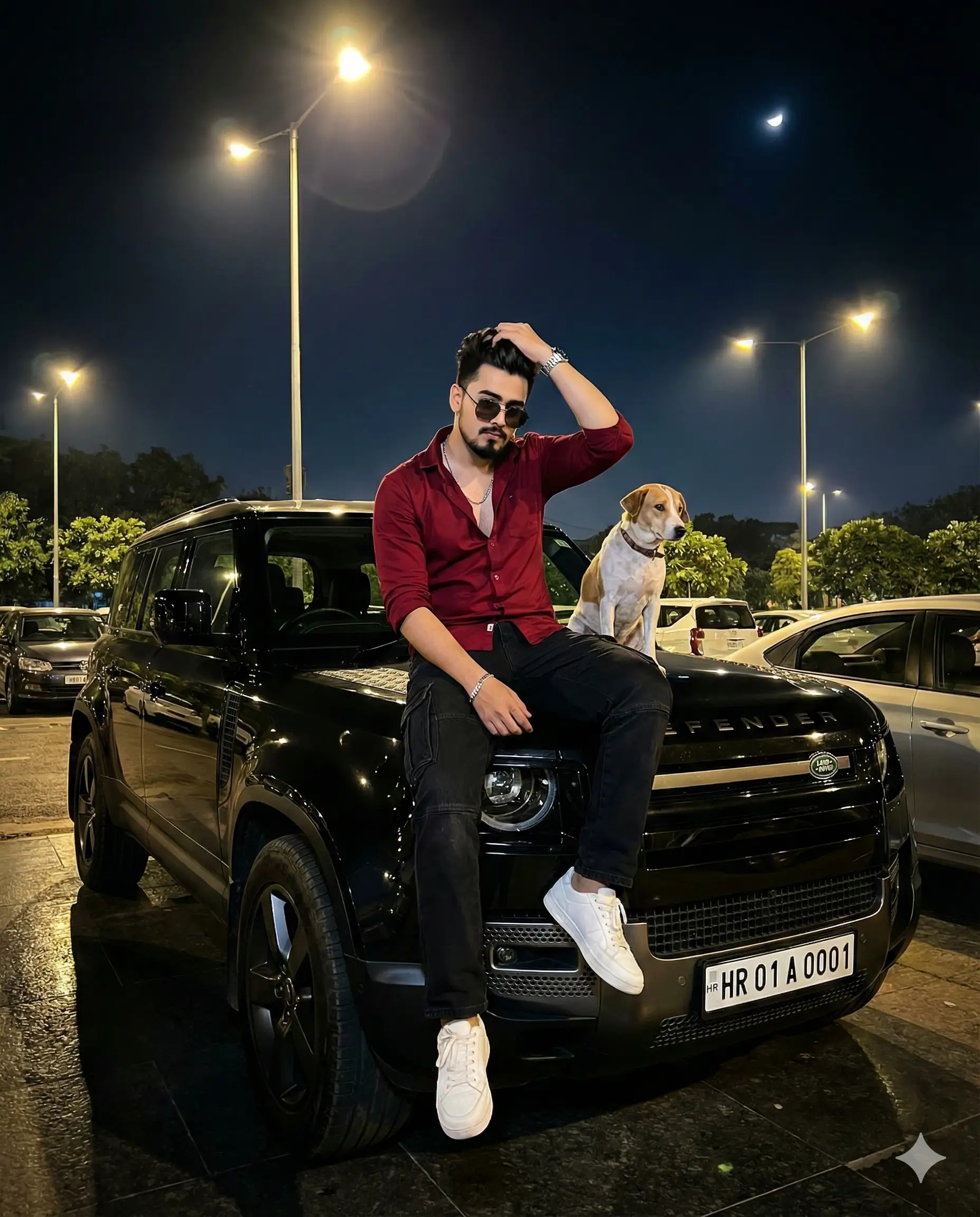
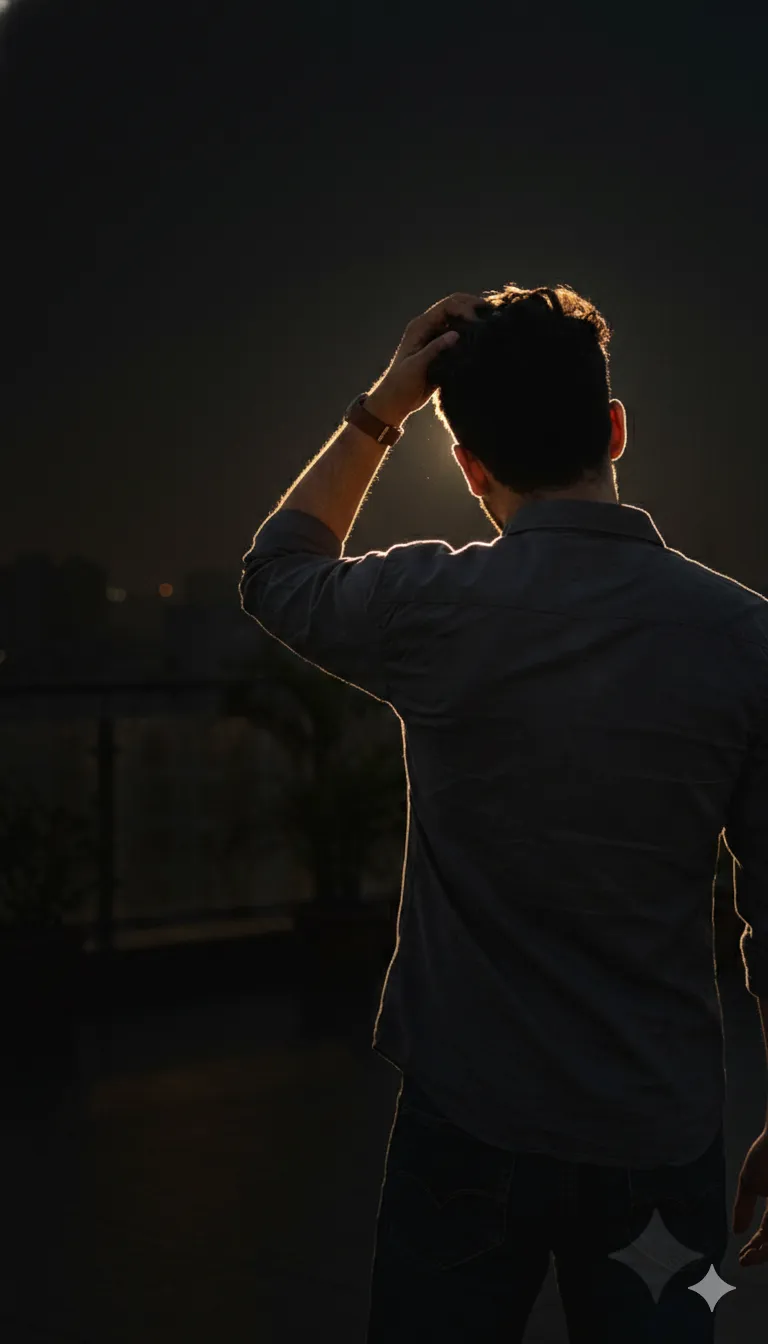
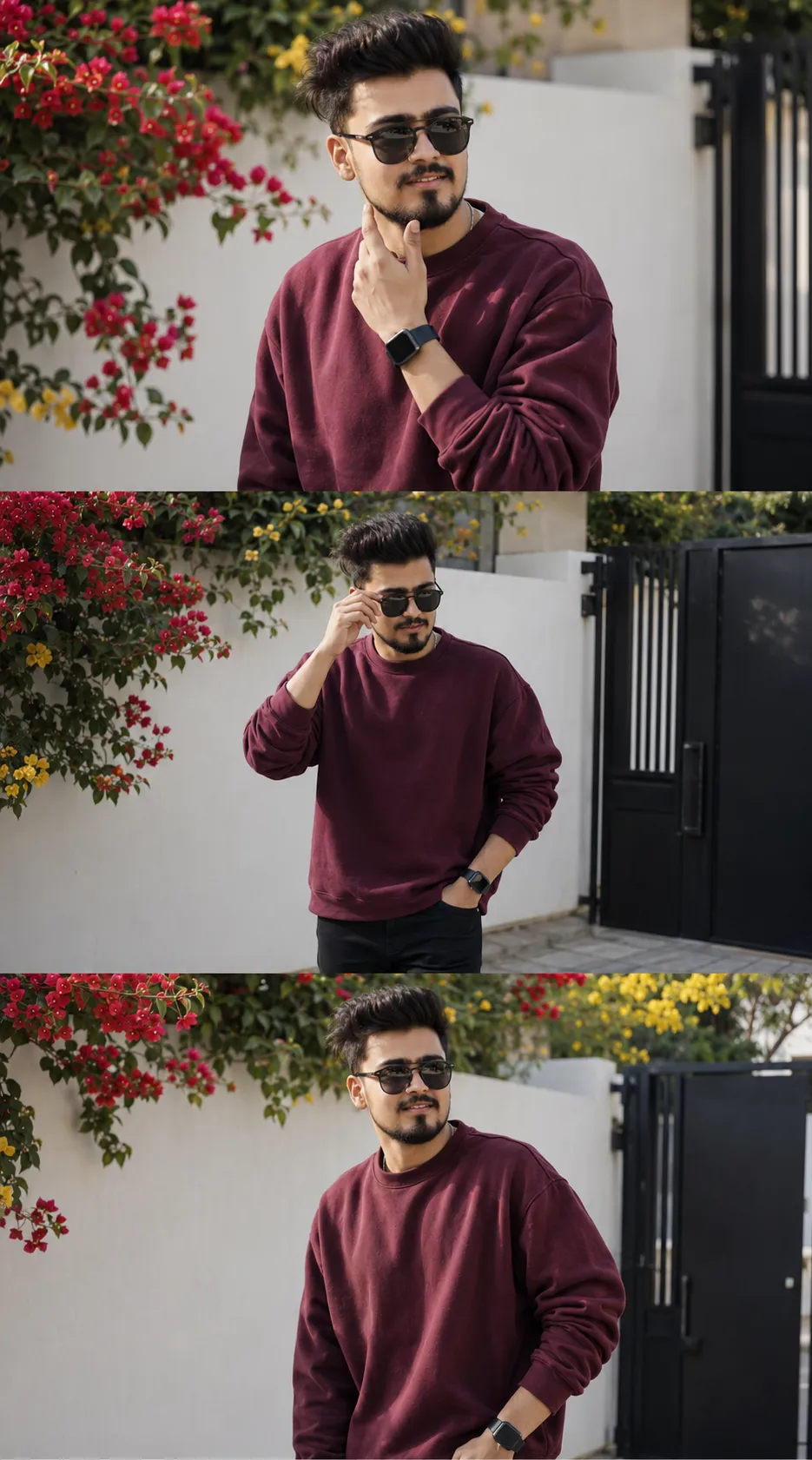
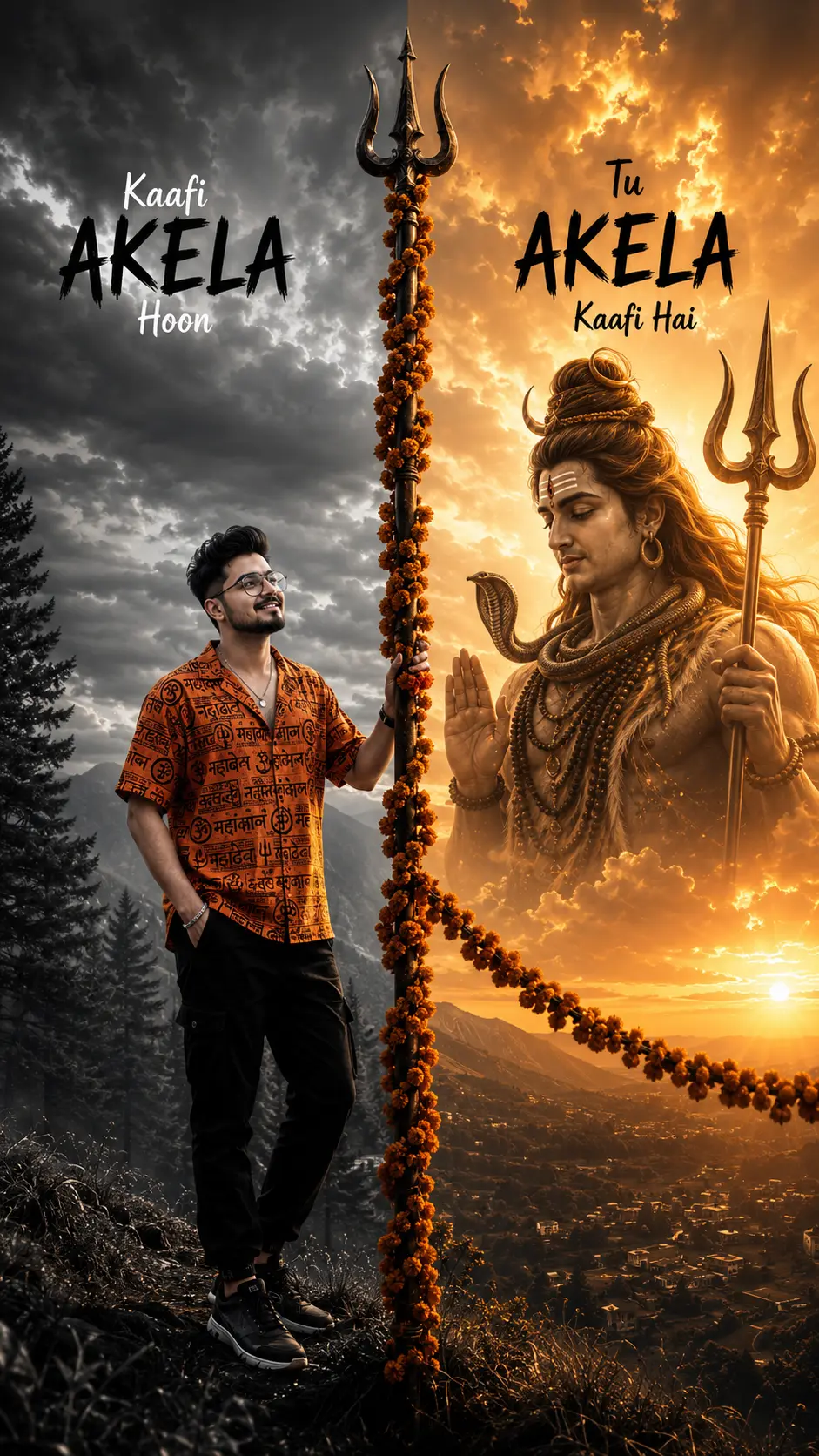
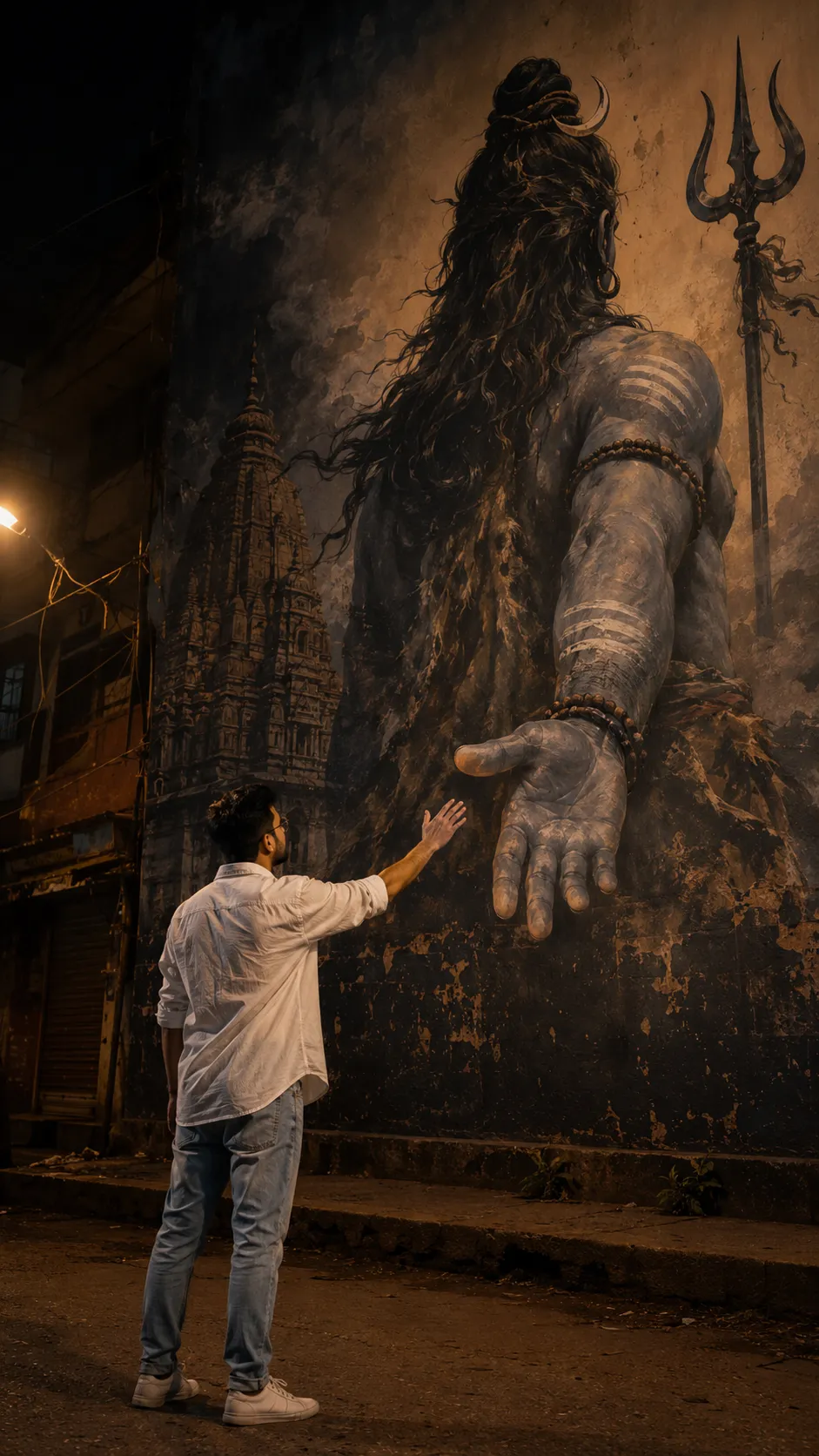
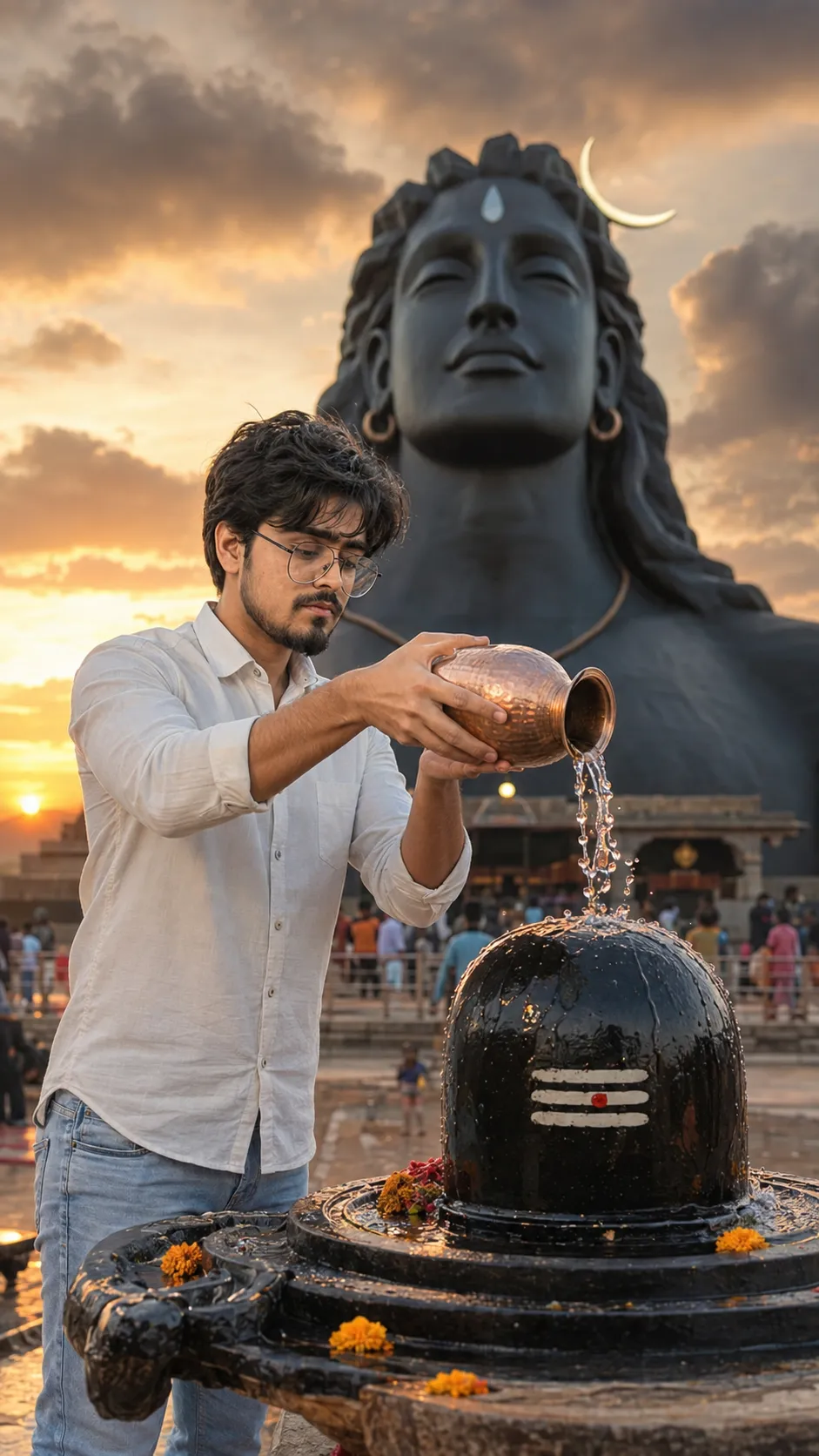
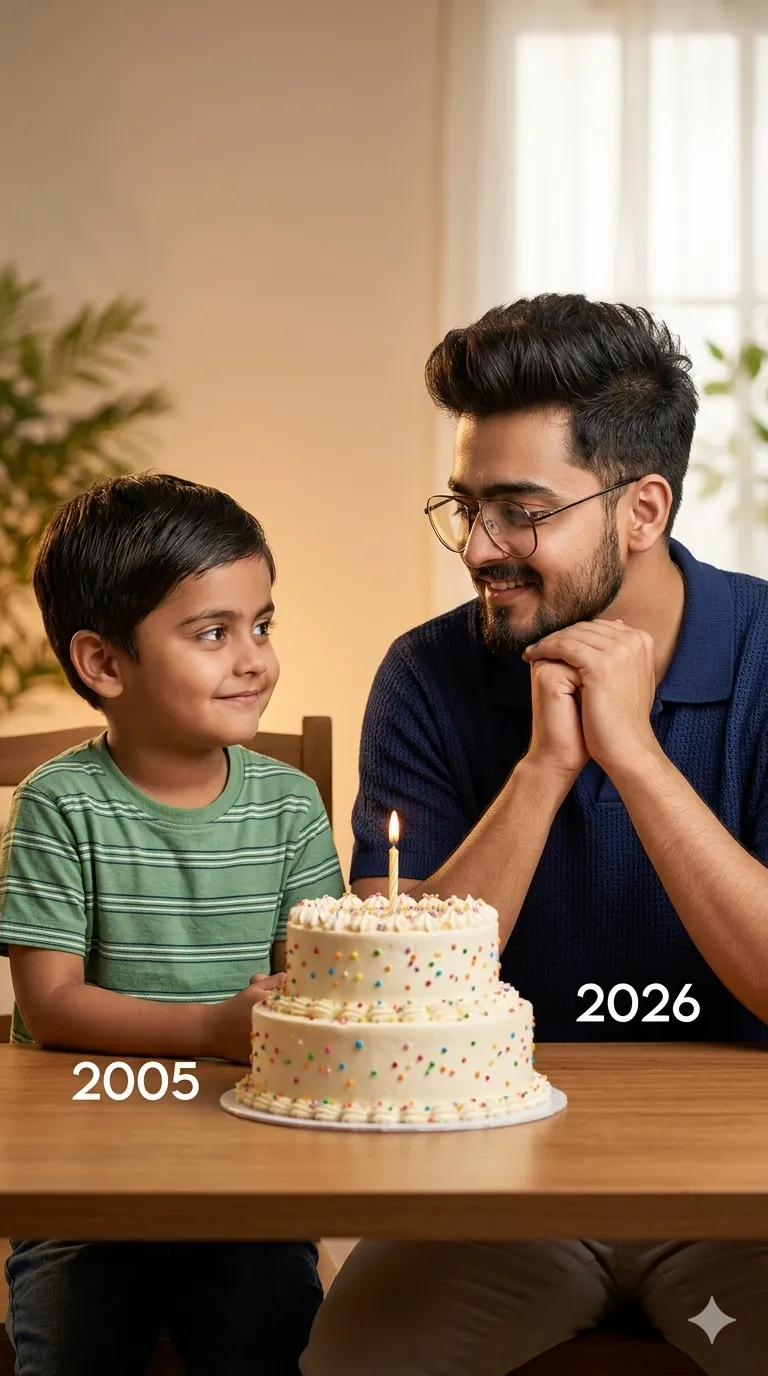
Want like second image. But don't copy. Recreate the that..deatinjng but want like second image only pls.
Want like second image pls thabks. Want like secondimage but for me. Me is in first image and don't copy exact like second image rwcactre that otherwise copyright will came.so acvroinly give Want like second image pls thabks. Want like secondimage but for me. Me is in first image and don't copy exact like second image rwcactre that otherwise copyright will came.so acvroinly give."Create an ultra-realistic cinematic DSLR photograph using the subsequently uploaded normal portrait ONLY as the identity reference for the person. The uploaded portrait is the identity source only. Do NOT use it to determine the pose, composition, environment, vehicles, camera angle, lighting, clothing arrangement, or scene. Recreate the following scene independently and match these instructions extremely closely.
SUBJECT IDENTITY — CRITICAL: Use the person from the subsequently uploaded portrait as the exact same real individual. Preserve their recognizable facial identity, facial proportions, bone structure, jawline, nose, eyes, eyebrows, lips, ears, hairstyle, hairline, skin tone, age, and natural facial asymmetry. Do not beautify, reshape, slim, widen, masculinize, feminize, de-age, age, or replace the face. Keep authentic human skin texture, pores, subtle imperfections, and realistic facial anatomy. The person must look unmistakably like the person in the uploaded portrait, while naturally adopting the pose and styling described below.
EXACT SCENE: Recreate a nighttime roadside/parking-lot scene exactly in the visual language of the reference. The person is standing between the front ends of TWO large premium SUVs, with the vehicles positioned behind and slightly to either side of the person.
On the LEFT side of the frame, place a WHITE Toyota Fortuner, facing toward the camera at a slight angle. Its front grille, Toyota emblem, headlight shape, bumper, hood and front fascia should be clearly recognizable. The word “FORTUNER” should appear across the front edge of the hood/grille area in the correct physical location and realistic vehicle lettering. The left vehicle's headlights are ON, producing an intense bright beam toward the camera and illuminating the road and the lower portion of the subject.
On the RIGHT side of the frame, place a DARK/BLACK Mahindra Scorpio-N, also facing toward the camera at a slight angle. Preserve its characteristic tall vertical front grille elements, headlight arrangement, front bumper and SUV proportions. Its headlights must also be switched ON, producing strong white illumination toward the camera.
The two SUVs should feel physically large and close behind the person, creating a powerful automotive framing effect. Do not make them tiny or distant.
SUBJECT POSITION: Place the person approximately in the center-right of the frame, standing directly in the gap between the two vehicles. The subject's full body must be visible from head to shoes.
The person is NOT looking at the camera.
HEAD & FACE ORIENTATION: Turn the head toward the LEFT side of the image, approximately in a three-quarter side-profile view. The nose points toward the left vehicle. Eyes look naturally toward the left side rather than toward the camera. Expression is calm, serious, relaxed and slightly contemplative. No smile. Keep the face naturally illuminated by the surrounding vehicle headlights rather than adding artificial studio lighting.
EXACT BODY POSE: Recreate a relaxed standing street-fashion pose.
The torso is mostly upright but naturally relaxed, with a very slight lean/weight shift. The subject's weight is primarily supported by one leg while the opposite leg is relaxed.
The arm on the viewer's RIGHT side is bent at the elbow, with that hand placed naturally inside the front trouser pocket. The elbow points slightly outward and the forearm angles downward toward the pocket.
The arm on the viewer's LEFT side hangs naturally downward beside the body. The hand is relaxed and naturally open/loose near the upper thigh.
Do not pose both hands in pockets.
Keep the shoulders relaxed and slightly uneven rather than perfectly horizontal.
Keep the legs naturally separated. One foot is slightly farther forward/angled than the other, creating the casual asymmetrical stance visible in the reference.
Both shoes must remain completely visible.
Do not make the person stiff, athletic, muscular, exaggeratedly slim, or model-like. Preserve realistic body proportions from the identity reference.
CLOTHING — MATCH THE REFERENCE: Dress the person in an oversized, loose-fitting light-colored sweatshirt/crewneck with long sleeves. The sweatshirt should have a soft cotton/fleece appearance, slightly dropped shoulders, a relaxed oversized torso and natural fabric bunching around the wrists, elbows, waist and stomach.
The sweatshirt should NOT be tucked in.
Use loose, wide/relaxed-fit dark trousers with a straight, slightly baggy silhouette extending naturally down toward the shoes. The trousers should have realistic fabric folds around the knees, thighs, hips and ankles.
The clothing should look like ordinary premium modern streetwear rather than formal fashion.
Use chunky low-top fashion sneakers similar in overall silhouette to the reference, with a predominantly light/dark contrasting design. Preserve realistic laces, sole construction, stitching, leather/textile surfaces and natural dirt/detail. Do not invent exaggerated futuristic shoes.
All clothing must physically interact with the body and gravity correctly.
FRAMING: Use a vertical 9:16 composition.
Frame the image as a full-body environmental portrait. The subject's head should sit around the upper-middle region of the actual photographic frame, with substantial dark negative space above the vehicles and subject. Do not crop the hair, shoulders, hands, legs or shoes.
The bottom of the frame should include a significant amount of asphalt road in front of the subject.
The subject should occupy approximately the central 45–50% of the image height from head to shoes, while the two SUVs occupy the left and right background/side regions.
The vehicles should partially extend beyond the left and right edges of the frame, creating the impression that the camera is positioned close to them.
CAMERA POSITION & ANGLE: Camera positioned low, approximately around the subject's waist-to-lower-chest height, looking very slightly upward. Do not use an extreme low angle.
Use a full-frame professional DSLR/mirrorless camera with a realistic 35mm lens perspective. Maintain natural human proportions and avoid wide-angle distortion.
The camera is positioned several meters in front of the subject, centered approximately toward the gap between the two vehicles.
Keep vertical lines and vehicle geometry realistic. No warped cars, stretched limbs or distorted feet.
The composition should feel like an actual photographer crouched/slightly lowered on a road taking a spontaneous nighttime automotive portrait.
LIGHTING — VERY IMPORTANT: The dominant lighting comes from the TWO vehicle headlights.
The white Fortuner on the LEFT has extremely bright headlights producing strong frontal/side illumination and visible light bloom.
The dark Scorpio-N on the RIGHT also has bright headlights producing intense white light.
The headlights illuminate the subject's lower body, trousers, shoes, sweatshirt edges and nearby asphalt. Light should fall off naturally across the scene.
Create realistic headlight glare and subtle lens bloom, but do not overdo the effect.
The person's face should remain comparatively darker than the sweatshirt and headlights, with soft directional illumination along the visible side of the face and jaw. Preserve facial details instead of completely crushing the face into black.
Add subtle rim light around the subject's silhouette where the headlights pass behind the body.
No studio key light. No visible flash. No artificial colored neon lighting. No sunset lighting. No daylight.
The scene must unmistakably be photographed at night.
ROAD & GROUND: The subject stands on dark asphalt with a clearly visible white painted road/parking lane line.
The white line begins from the lower-middle/foreground region and runs diagonally upward toward the area between/behind the subject and vehicles. It should pass close to and partially beneath the subject's feet exactly like a real parking/road marking.
The asphalt must have highly detailed realistic texture: tiny aggregate, roughness, subtle cracks, tire marks and uneven surface.
Because of the intense headlights, portions of the asphalt should show realistic bright reflections and soft light gradients.
Do NOT make the road look wet like heavy rain. Keep it mostly dry, with only subtle natural reflectivity.
BACKGROUND: Keep the background extremely dark.
Behind the vehicles and subject should be a mostly black nighttime environment with barely visible surroundings. Do not add buildings, city skylines, trees, mountains, street crowds, neon signs or decorative scenery.
Only very faint environmental shapes and tiny distant points of light may be visible in the darkness.
The darkness is an important part of the composition.
ATMOSPHERE: Create subtle nighttime atmospheric depth around the headlights. The brightest areas around the lamps should have natural optical bloom and slight haze caused by intense headlights interacting with nighttime air.
Keep the rest of the atmosphere clean and dark.
No heavy fog. No smoke. No dramatic artificial mist.
BLACK-AND-WHITE PHOTOGRAPHIC TREATMENT: Render the entire final image in rich monochrome black and white.
Use deep blacks in the sky/background and vehicle shadows, bright whites in the headlights and sweatshirt, and detailed gray midtones across the skin, trousers, vehicles and asphalt.
The monochrome treatment should resemble a professionally edited high-end DSLR photograph, NOT a simple phone-app black-and-white filter.
Preserve fine grayscale detail in the person's face, hair, sweatshirt fabric, trousers, shoes, vehicle paint, grille and asphalt.
Use strong but realistic contrast with controlled highlight roll-off.
HAIR: Preserve the person's authentic hairstyle from the uploaded identity portrait while naturally adapting it to the pose and lighting. Individual hair strands should remain visible where illuminated. Hair should have realistic volume and natural shadows.
SKIN: Natural human skin texture with visible pores and subtle tonal variation. No plastic skin, excessive smoothing, beauty filter, airbrushing or artificial facial sharpening.
VEHICLE REALISM: Both SUVs must be physically accurate real-world vehicles with correct proportions, panel gaps, headlights, grilles, mirrors, bumpers, tires and reflections.
The white Toyota Fortuner on the LEFT should have realistic white metallic/paint reflections and the recognizable Toyota front design.
The dark Mahindra Scorpio-N on the RIGHT should have realistic dark paint reflections and its recognizable front-end geometry.
Headlights must originate physically from the vehicle headlamp assemblies. Do not create floating lights.
Ensure the cars do not overlap the person's body incorrectly. The person must appear physically standing in front of/between the vehicles with believable distance and contact shadows.
DEPTH OF FIELD: Use moderate shallow depth of field typical of a real 35mm full-frame nighttime environmental portrait.
Keep the subject sharply resolved, especially face, hair, sweatshirt texture, trousers and shoes.
Keep the closest visible vehicle details reasonably sharp while allowing the farthest dark background to naturally fall into softness and darkness.
Do not create an exaggerated artificial portrait-mode blur.
OPTICAL CHARACTER: Professional full-frame DSLR/mirrorless image. 35mm prime lens aesthetic. Natural perspective. Realistic low-light exposure. High dynamic range. Natural highlight clipping around extremely bright headlights. Subtle realistic lens flare/bloom. Fine photographic grain. Sharp but not digitally oversharpened. Natural motion-freezing shutter speed. Realistic exposure falloff.
FINAL IMAGE: The final photograph should look as though a professional photographer physically stood on the road at night and captured the person casually posing between a white Toyota Fortuner and a dark Mahindra Scorpio-N with both headlights turned on.
The composition, subject placement, head direction, hand positions, leg stance, vehicle positions, road marking, darkness, headlight illumination, low camera perspective, full-body framing, monochrome grading and overall mood should closely match the described reference.
The result must be indistinguishable from a genuine high-end DSLR photograph of a real person in a real location.
NEGATIVE INSTRUCTIONS: No AI-generated appearance, no CGI, no 3D render, no illustration, no painting, no cartoon, no anime, no plastic skin, no beauty filter, no altered facial identity, no facial reshaping, no extra fingers, no malformed hands, no extra limbs, no duplicated person, no duplicated vehicles, no warped cars, no floating objects, no unnatural reflections, no incorrect vehicle geometry, no daylight, no sunset, no neon lighting, no colored lighting, no excessive fog, no excessive lens flare, no fake bokeh, no extreme wide-angle distortion, no fisheye distortion, no cropped feet, no cropped head, no text overlays, no emojis, no watermark, no UI elements, no social-media interface.
Aspect ratio: 9:16 vertical. Style: ultra-realistic cinematic monochrome DSLR automotive street photography. Quality: professional full-frame photographic realism, extremely detailed natural textures, physically accurate lighting and environmental integration.